Zen and the Art of 2048: What This Addictive Puzzle Game Teaches Us About Life, Focus, and Letting Go

Let’s get real for a second. 2048 isn’t just a game. It’s a whole mood. A meditation. A quietly chaotic therapy session with sliding tiles and unexpected ego death. You start out just swiping. A little left. A little up. Merge a couple twos. Cute. Harmless. Then hours disappear. Your coffee gets cold. Your sense of time? Gone. And somehow you feel seen.
The deceptively simple genius
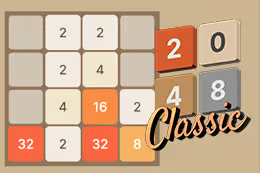
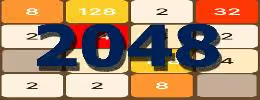
You open it, and it's like, "That’s it? Four tiles? That’s the game?" But then 2048 does what the best mind games do — it hooks you through clarity. No explosions. No upgrades. Just math, movement, and consequences. The genius is in the calm. It doesn’t scream for your attention. It invites it. Minimal visuals. No music. No noise. It’s just you, a grid, and your inner voice slowly turning from confident strategist to existential philosopher by tile 128.
Decision-making, but make it metaphysical
Every move in 2048 matters. One wrong swipe and boom — that beautiful corner strategy you were building? Imploded by a rogue 4. It’s brutal. It’s humbling. It’s basically life. The game teaches timing. Sacrifice. That thing where you have to let go of something small (a neat row) for the possibility of something bigger (a shiny 1024). You can’t hold onto everything. And sometimes? You have to throw the board into chaos just to survive.
Why failure is the whole point
Here’s the cold truth: You will lose. Repeatedly. Your board will fill up. You’ll feel betrayed by your own fingers. You’ll tell yourself, “This was the one,” only to be blocked by a stubborn 2 that won’t scoot. And yet you start over. That loop? It’s not frustration. It’s freedom. 2048 doesn’t punish you. It doesn’t even shame you. It quietly resets. No scoreboard. No flaming “YOU LOSE” text. Just a new chance. A new board. A gentle whisper of “Try again, maybe with less chaos this time.”
One more swipe syndrome
Psychologists would have a field day with this game. The dopamine drip of merging tiles. The gentle thrill of watching a number double. It’s low-stakes gambling minus the money — all hope, no real-world damage. You tell yourself “just one more round.” That round becomes five. Then ten. Then your sandwich is sad and soggy and the 2048 games have claimed your soul again. But oddly? You don’t mind. The loop is therapeutic. Predictable. Safe. And while you chase that elusive 2048 tile, what you’re really doing is entering a mental flow state. Pure focus. One goal. No distractions. The world fades. Anxiety quiets. All that exists is the grid.
Training the brain, quietly
2048 isn’t loud about how clever it is. But beneath that minimalist skin is a full-blown cognitive workout. You’re learning to plan. To predict. To pause. To undo mental habits that don’t serve you. It's basically yoga for overthinkers. And if you zoom out, it kind of mirrors life. Sometimes you make the right move at the wrong time. Sometimes you play it safe and get nowhere. Sometimes you go bold and it works. Sometimes you lose.