How are 2048 Games Different?
They offer a delightful escape into the world of puzzle and, today we’ll be discussing why and how are 2048 games different.
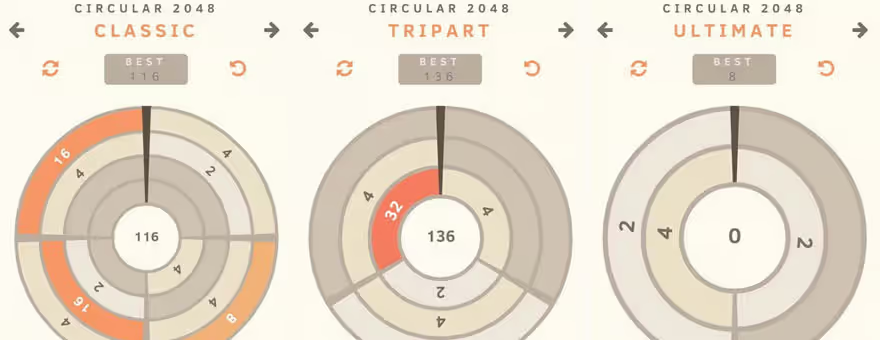
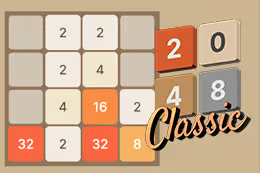
The classic 2048 confines the action to a 4x4 grid, with tiles ranging from 2 to 2048. However, variations explore different board sizes and tile values, catering to players with varying preferences. Some versions might offer a more compact 3x3 grid, ideal for quick bursts of gameplay. For those seeking a more strategic challenge, 8x8 or even larger grids present a sprawling puzzle landscape, demanding a more calculated approach to tile merging.
Similarly, the range of tile values can be significantly altered. Some games might introduce negative numbers, adding a layer of complexity as you strategize how to eliminate them while still reaching the target score. Other variations might increase the maximum tile value beyond 2048 or 4096, pushing players to plan even further ahead and optimize their moves for the long haul. These adjustments to the board size and tile values breathe new life into the core mechanic, offering fresh challenges for experienced players and easing beginners into the gameplay with smaller, less intimidating layouts.
The core gameplay of merging numbered tiles is undeniably engaging, but some variations take it a step further by introducing new mechanics that add strategic depth and excitement. Power-ups might be introduced as special tiles that grant temporary advantages, such as shuffling the board layout or eliminating unwanted low-value tiles. These power-ups inject an element of chance and reward strategic planning, as players need to consider when and where to use them for maximum impact.
Special tiles with unique properties can also be incorporated. Imagine a tile that freezes adjacent tiles, preventing them from merging during a swipe. This adds a layer of strategic thinking, forcing players to consider the impact of each move on the overall board layout. Some variations even introduce entirely new game modes. A timed mode might challenge players to reach a specific target score within a limited number of moves, adding a pressure cooker element to the mix. Another variation might introduce a competitive multiplayer mode, pitting players against each other in a race to reach the highest score. These diverse mechanics keep the gameplay fresh and cater to players who enjoy a strategic challenge or a touch of friendly competition.
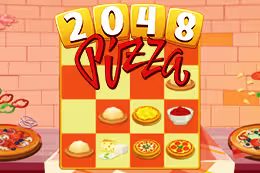
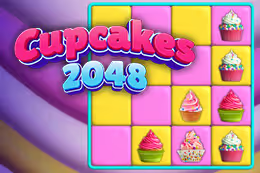
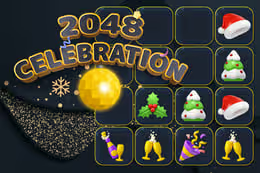
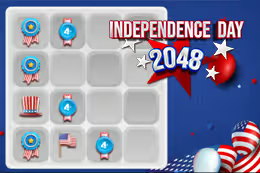
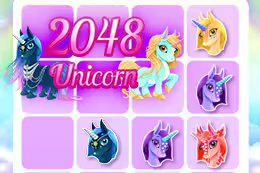
While the core mechanic remains the same, some variations inject a delightful dose of theme into the gameplay. Imagine a candy-themed 2048 where you merge colorful candies instead of numbered tiles. These 2048 themes enhance the visual appeal and can make the game more approachable for younger audiences or players who might not be drawn to the traditional number-based format.
Thematic variations can extend beyond visuals. A music-themed game might replace numbers with musical notes, requiring you to merge them to create harmonious chords. This injects a layer of auditory engagement and caters to players who appreciate a more sensory-rich experience. By incorporating themes and variations that cater to different interests, developers broaden the appeal of the 2048 concept and make it more accessible to a wider audience.
The simple yet addictive puzzle game 2048 has taken the world by storm. Its core mechanic of merging numbered tiles to reach the coveted 2048 (or sometimes 4096) has captivated players of all ages. However, the world of 2048 extends beyond the original version. Developers have taken this basic concept and injected creativity, resulting in a diverse landscape of 2048 variations, each offering unique challenges and twists on the familiar gameplay. Let's delve into some of the key ways these 2048 games differ from each other.
Board Size and Tile Values: Expanding the Puzzle Landscape
The classic 2048 confines the action to a 4x4 grid, with tiles ranging from 2 to 2048. However, variations explore different board sizes and tile values, catering to players with varying preferences. Some versions might offer a more compact 3x3 grid, ideal for quick bursts of gameplay. For those seeking a more strategic challenge, 8x8 or even larger grids present a sprawling puzzle landscape, demanding a more calculated approach to tile merging.
Similarly, the range of tile values can be significantly altered. Some games might introduce negative numbers, adding a layer of complexity as you strategize how to eliminate them while still reaching the target score. Other variations might increase the maximum tile value beyond 2048 or 4096, pushing players to plan even further ahead and optimize their moves for the long haul. These adjustments to the board size and tile values breathe new life into the core mechanic, offering fresh challenges for experienced players and easing beginners into the gameplay with smaller, less intimidating layouts.
Introducing New Mechanics: Power-Ups, Special Tiles, and Game Modes
The core gameplay of merging numbered tiles is undeniably engaging, but some variations take it a step further by introducing new mechanics that add strategic depth and excitement. Power-ups might be introduced as special tiles that grant temporary advantages, such as shuffling the board layout or eliminating unwanted low-value tiles. These power-ups inject an element of chance and reward strategic planning, as players need to consider when and where to use them for maximum impact.
Special tiles with unique properties can also be incorporated. Imagine a tile that freezes adjacent tiles, preventing them from merging during a swipe. This adds a layer of strategic thinking, forcing players to consider the impact of each move on the overall board layout. Some variations even introduce entirely new game modes. A timed mode might challenge players to reach a specific target score within a limited number of moves, adding a pressure cooker element to the mix. Another variation might introduce a competitive multiplayer mode, pitting players against each other in a race to reach the highest score. These diverse mechanics keep the gameplay fresh and cater to players who enjoy a strategic challenge or a touch of friendly competition.
Thematic Twists: Re-imagining the 2048 Experience
While the core mechanic remains the same, some variations inject a delightful dose of theme into the gameplay. Imagine a candy-themed 2048 where you merge colorful candies instead of numbered tiles. These 2048 themes enhance the visual appeal and can make the game more approachable for younger audiences or players who might not be drawn to the traditional number-based format.
Thematic variations can extend beyond visuals. A music-themed game might replace numbers with musical notes, requiring you to merge them to create harmonious chords. This injects a layer of auditory engagement and caters to players who appreciate a more sensory-rich experience. By incorporating themes and variations that cater to different interests, developers broaden the appeal of the 2048 concept and make it more accessible to a wider audience.