Why 2048 Is So Satisfying: The Neuroscience of Merging Tiles

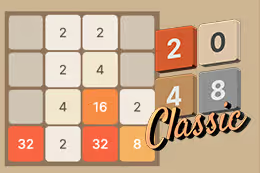
There’s something wildly addictive about sliding tiles around in a quiet panic until they magically smash together into something shinier and bigger. 2048 games may look like a humble little number game, but it’s been occupying our brains like rent-free squatters since 2014. And the wild part? It feels good. Viscerally. Almost weirdly so. And no, you're not alone — there’s actual neuroscience behind it.
The pleasure of the merge
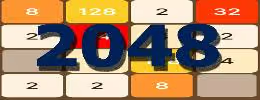
You know that tiny zing in your brain when two “64” tiles snap together and turn into a juicy “128”? That little flicker of joy? That’s dopamine, my friend. Your brain is basically throwing a micro-party every time you solve a pattern or make a successful move. Our brains are wired to love patterns, and when we recognize one, especially one we helped create, the reward center lights up like a Las Vegas slot machine. It’s not just the number itself either. The animation, the click, the merge — it’s a perfectly wrapped package of auditory, visual, and cognitive satisfaction. Whoever designed that tile merge sound? Deserves a Nobel Peace Prize. Or at least a good nap.
The power of simplicity
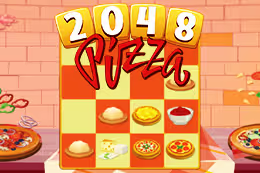
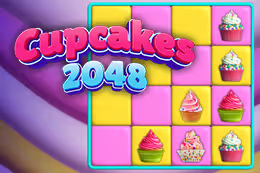
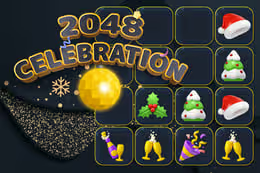
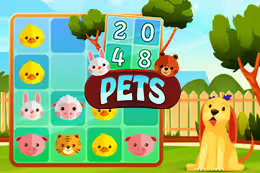
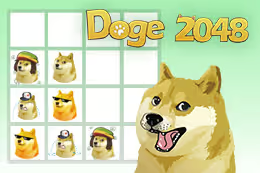
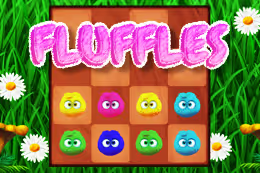
A lot of games compete for attention with bells, whistles, and boss fights that go on for six hours. 2048 games, on the other hand, offer something else entirely: quiet challenge. No timer. No music blaring. Just you, the grid, and your impending doom when you accidentally trap a “2” in the corner. It’s the gaming equivalent of meditating with an espresso shot in hand. And the interface? Clean. Modern. Uncluttered. Which is why people explore all kinds of 2048 themes, everything from cat breeds to corporate logos. When the formula’s that good, dressing it up only makes it better.
Ritual, repetition, reward
Here’s the thing: humans love rituals. That’s why we rewatch the same comfort shows or make the same breakfast five days in a row. 2048 taps into that same loop. The swipe. The match. The new number. It’s like a secular form of digital chanting. The moment you lose, what do you do? Slam the “New Game” button and go again like you’re training for the math Olympics. The repetition triggers familiarity, which makes our brains feel safe. But the game still throws just enough randomness in the mix to keep us engaged. It’s a gentle tease — challenging but fair, punishing but polite.
Memory and mastery
As you play more, you start developing strategies. You figure out that maybe stacking everything on one side is smarter. You begin to anticipate moves like a chess grandmaster — except all the pieces are squares, and none of them have queens. This process triggers pattern recognition and working memory, flexing your brain like it’s doing cognitive yoga. Casual? Yes. But low-key brain training? Also yes.
When merging isn’t enough
So what if you’ve hit 2048 a few too many times and want something just as satisfying but with a twist? You’re in luck. If you like merging tiles, chances are you’ll love the hypnotic satisfaction of matching tiles in games like Mahjong. For a great place to start, check out some classic free mahjong online at OnlineMahjong.com.